Which home upgrades pay off most when you sell?
Your house looks great”, the agent says, smiling politely. But then comes the pause. The kind of pause that means the price you had in mind isn’t going to happen. Why? Because the house doesn’t feel finished to buyers. The little details, the tired kitchen, the scuffed floors, they add up. And buyers notice.
If you’re thinking of selling, the upgrades you choose can be the difference between a quick sale at the price you want and months of frustration. This isn’t about gut renovations. It’s about smart, targeted changes that persuade buyers to stretch their offer. Let’s dig into the ones that actually pay off.
Curb appeal upgrades
First impressions decide everything. A cracked driveway, overgrown hedge, or dull front door quietly tells buyers they’ll have work ahead. And work means lower offers.
Fresh paint on the door, tidy landscaping, and some low-voltage lighting are simple curb appeal upgrades that make a house look sharper before anyone even steps inside. I’ve seen homes where the only change was a £50 pressure wash on the siding, and the agent raised the asking price because the place looked crisp and cared for.
Think about it: would you pay more for a house that looks neglected from the street? Neither will your buyers.
Kitchen improvements
Buyers walk into the kitchen and start picturing breakfast, dinner parties, coffee at the counter. If that vision feels dated, you lose them. But you don’t need a full remodel.
New cabinet handles, modern taps, and swapping out tired laminate for butcher block or quartz can change the whole mood. Even a coordinated set of mid-range appliances signals that the kitchen is move-in ready, which is exactly what buyers look for when searching for kitchen upgrades that add value to a home.
One seller I knew simply repainted their oak cabinets a soft grey, added sleek handles, and installed a new splashback. Cost them under £2,000. Their home sold within a week, and the buyer mentioned the “brand new kitchen look”, which wasn’t brand new at all.
Bathroom updates
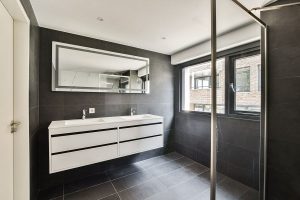
Bathroom renovations that add value carry weight because these spaces feel personal. No one wants to see peeling grout or 90s lighting when they picture themselves getting ready in the morning.
Small touches count: a modern mirror, updated vanity lights, and a fresh shower screen can turn “tired” into “stylish”. Re-grouting tiles costs less than most people expect, but it makes the whole space look clean and fresh.
Ever noticed how a hotel bathroom feels spotless even when it’s small? That’s the effect you want buyers to walk into.
Energy-efficient features
Here’s the thing: people talk about “character” in homes, but when the bills land, efficiency matters more. Double-glazed windows, extra insulation, or even a smart thermostat can tip a hesitant buyer into action and improve a home’s energy performance rating.
I’ve had conversations at viewings where buyers asked about energy ratings before anything else. It wasn’t the fireplace or the floor plan. It was the thought of monthly costs. Energy efficiency doesn’t just feel modern, it feels responsible.
Would you rather buy a home that leaks heat or one that keeps you warm without draining your wallet?
Flooring refresh
Floors carry the story of a house. They creak, they scratch, they stain. Buyers look down and quietly calculate what it’ll cost to fix.
If you have hardwood, a professional sand and refinish is one of the best flooring upgrades to increase home value and can make it gleam again. Old carpet? Replacing it with fresh carpet or modern vinyl plank instantly upgrades the vibe. Even a deep clean on what you already have can add thousands in perceived value.
I once watched people walk into a living room, glance down at a newly refinished oak floor, and say: “This feels new”. That feeling is what sells.
Fresh paint indoors
Nothing modernises a home faster. Neutral tones give buyers a blank canvas, and the smell of fresh paint signals clean, cared-for space.
Skip the bright colours. They divide opinion. Stick to warm whites, light greys, or soft taupes. They make rooms feel bigger, lighter, calmer. And buyers don’t argue over them.
I’ve painted dozens of houses before putting them on the market. Every single time, it’s been mentioned by buyers. Every time.
Small but impactful fixes
Loose door handles. Dripping taps. Squeaky hinges. They seem trivial, but they chip away at trust. Buyers start thinking: “If they didn’t fix this, what else is wrong?”
Swap out dated light fixtures, tighten hinges, replace cracked tiles. These are one-hour jobs that remove excuses for buyers to negotiate down.
The cost? Minimal. The effect? Buyers relax because they feel the house has been cared for.
Open and bright spaces
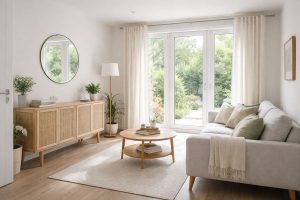
Heavy curtains and dim bulbs can kill a room’s potential. Natural light is free, so let it in. Use mirrors to bounce it around, change bulbs to warm LEDs, and suddenly the same room feels inviting.
I once advised a friend to remove a bulky bookcase that blocked a window. That one move transformed the living room from “cave-like” to “airy”. They couldn’t believe buyers had been skipping over it before.
Light sells. Always.
Outdoor living improvements
Decks, patios, and outdoor living upgrades can push buyers to imagine summer evenings with friends. When they can picture their life in the space, they’re more likely to pay your asking price.
You don’t need an elaborate outdoor kitchen. Just clean, functional space with low-maintenance finishes. Composite decking or stone pavers suggest durability, which buyers love because they don’t want weekend chores.
Think less “luxury retreat”, more “ready to enjoy”.
Smart home touches
Buyers today expect a certain level of convenience. A video doorbell, keyless entry, or a smart thermostat are inexpensive upgrades that feel modern.
They’re not must-haves, but they tip the scale when two houses are neck and neck. And since installation costs are low, the return is often high.
One couple told me they chose a house partly because it had a smart security system already in place. It wasn’t the only factor, but it nudged them into making an offer faster.
The upgrades that make a difference aren’t about spending the most. They’re about spending where buyers see and feel value. Fresh paint, updated kitchens and baths, clean floors, and small details that make the house feel “ready”. Those are the changes that add real pounds to the final offer.
So, if you’re planning to sell, start walking through your house like a buyer would. Notice what jars, what looks old, what feels tired. Fix those things. That’s how you move from polite compliments to serious offers.
And if you want to be the seller with buyers competing over your property instead of haggling you down, start now. Even a few weekends of focused upgrades can change your sale price dramatically.