Is artificial grass worth it for UK gardens? Costs, pros, and how long it really lasts
Your lawn looks fine from the kitchen window. Step outside, though, and it tells a different story. Mud clinging to shoes. Bald patches where the dog always runs. Grass that turns slick and spongy after three days of rain.
This is usually the moment people start asking a quiet question they never thought they would ask.
Is artificial grass actually worth it?
If you are weighing up the idea, this article is here to save you weeks of half answers, sales talk, and guesswork. We will get into costs, lifespan, daily reality, and the less talked about drawbacks. The aim is simple. Help you decide whether this works for your garden, not whether it sounds good on a brochure.
Because pulling up a lawn is not a small decision. And redoing it twice hurts.
What artificial grass really is now
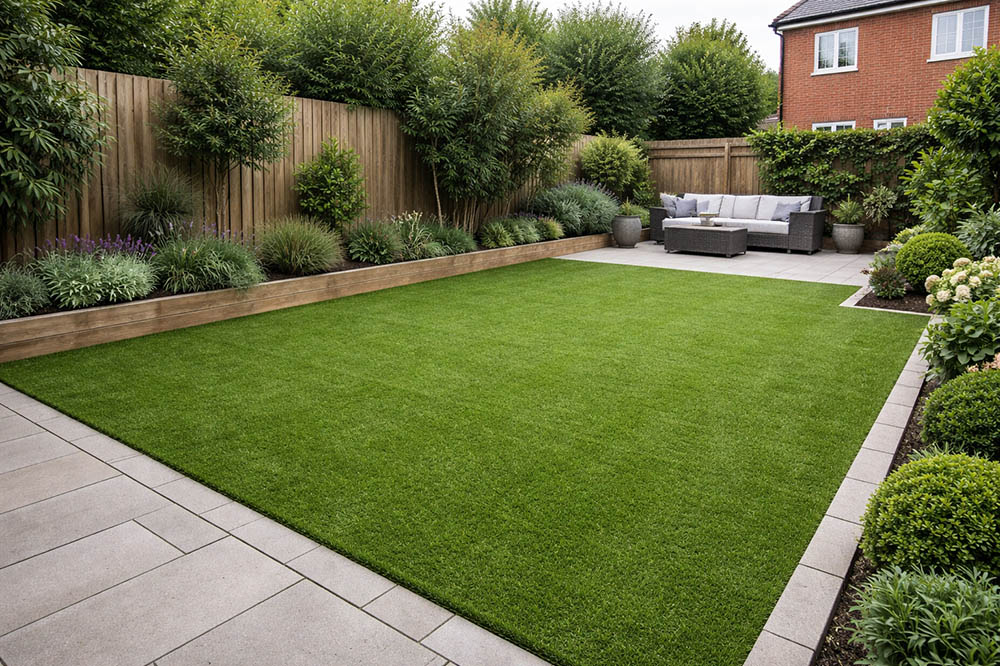
Forget the scratchy green carpets people laid down decades ago. Modern artificial grass is a different product altogether.
It uses plastic fibres shaped to bend and spring back, stitched into a backing with built-in drainage holes. Under that sits a compacted base that lets rain run through instead of pooling on the surface. A light infill, often sand, adds weight and helps the blades stand up.
The better products mix blade shapes and shades of green, sometimes with a subtle brown layer near the base. That detail matters. Without it, the lawn looks flat and shiny in sunlight. With it, most people have to crouch down to tell the difference.
I have seen neighbours argue over whether a lawn was real until someone tried to water it. That tells you how far the materials have come.
Types of artificial grass you will see in the UK
Not all artificial grass suits every garden. The right choice depends on how you use the space.
Polyethylene turf
This is the most common option for family gardens. It feels softer underfoot and looks closer to natural grass. If children play out back or you spend time barefoot in summer, this tends to be the safer bet.
Nylon turf
This holds its shape under pressure. It suits walkways, play areas, and spots that take daily punishment. The trade-off is feel. It is firmer and less forgiving, which some people notice straight away.
Polypropylene turf
Often used on balconies or as a visual feature. It costs less and weighs less, though it flattens faster. Fine for light use. Not ideal where people run or pets charge about.
Choosing the wrong type does not fail on day one. It fails slowly. Flattening. Shiny patches. Regret.
How artificial grass handles the UK climate
Rain is the first worry most people raise. Fair enough.
A properly installed lawn drains fast. Water drops through the turf, through the base, and into the ground below. When installers rush the groundwork, puddles appear. That is not a turf problem. It is a preparation problem.
Cold weather brings another concern. Artificial grass does not freeze solid, though frost can sit on the surface like it does on decking. It stays usable sooner than natural grass because there is no soggy soil underneath.
Moss and algae can appear in shaded, damp gardens. This surprises some owners. The fix is simple. A light clean once or twice a year keeps it in check. Ignore it and the surface dulls. Stay on top of it and it stays fresh.
Summer heat is the trade-off. Artificial grass warms up more than real turf on hot days. In the UK, this tends to be a short window rather than a season-long issue. A quick rinse cools it down when needed.
Ask yourself this. Which problem do you face more often. Mud and churned grass, or scorching heat?
Why homeowners switch
Maintenance is the obvious reason. No mowing. No feeding. No reseeding after winter. That alone draws many people in.
The bigger benefit often shows up after heavy rain. Artificial grass does not turn into soup. Shoes stay clean. Pets stay cleaner. Floors inside stay cleaner too.
For some allergy sufferers, removing natural grass can help by cutting out a direct source of grass pollen. That said, artificial turf still collects airborne pollen, dust, and debris, so it is not an allergy-free surface. For parents, the surface stays even. For landlords, the garden stops becoming a repair job between tenancies.
Where artificial grass falls short
Upfront cost stops many people in their tracks. We will talk numbers in a moment.
There is also the feel. Even the best turf does not behave exactly like soil and grass. Gardeners who enjoy digging, planting, and changing borders often miss that connection.
Artificial grass also needs cleaning. Leaves, dust, and debris still land on it. Anyone selling it as zero effort is stretching the truth.
And there is permanence. Once installed, changing your mind later means lifting the lot. That is not a weekend job.
So ask yourself a blunt question. Do you want a garden you tend, or a garden that stays tidy with minimal input?
What artificial grass costs in the UK
Prices vary widely. As a rough guide:
Materials often sit between £20 and £40 per square metre, depending on quality. Installation usually doubles that once you factor in groundwork, waste removal, and labour.
DIY saves money. It also shifts risk onto you. Poor base prep causes most failures. Uneven surfaces. Drainage issues. Wrinkles that never quite disappear.
Over time, many people spend less than they would on lawn care, equipment, and repairs. That saving shows up slowly. It does not feel dramatic in year one.
The real cost question is this. How much time do you spend fixing your lawn each year, and how much is that time worth to you?
How long artificial grass actually lasts
Quality turf installed well can last 10 to 15 years in a domestic garden. Some last longer in low-use areas.
Sun exposure, foot traffic, and maintenance all play a part. High-use paths flatten sooner. Brushing them occasionally helps the fibres recover.
Signs of wear are easy to spot. Blades that stay flat. Visible backing. Seams that open. When that happens, replacement makes more sense than patch repairs.
Cheap turf rarely saves money. It just delays replacement by a few years.
Living with artificial grass day to day
For pets, drainage matters. Urine should pass through fast and rinse away easily. Occasional washing keeps smells under control. Skip that and odours linger underneath.
For children, the even surface reduces slips caused by mud. Some installations add a shock pad layer underneath, particularly in play areas, to soften falls and improve comfort.
One question worth asking yourself. Will you still enjoy using the garden in February, when natural grass looks tired and soggy? Artificial lawns tend to shine in the months when real ones struggle.
Is artificial grass right for your garden?
This works best for households short on time, dealing with pets, or fed up with patchy lawns that never recover.
It suits smaller gardens where every square metre shows wear. It also suits spaces that need to look presentable without constant attention.
If you love seasonal change, planting beds, and hands-on gardening, you may feel boxed in by it.
There is no right answer. Only a practical one.
A final word before you decide
Artificial grass is not a miracle surface. It is a trade. You swap soil and growth for consistency and time saved. In the UK, where rain and wear ruin lawns faster than sunshine ever will, that trade often makes sense.
If you are considering it, measure your space. Think about how you actually use your garden, not how you wish you did. Speak to installers. Ask awkward questions about drainage and base work.
Done well, artificial grass removes a long-running frustration from daily life. Done poorly, it becomes one more thing to fix.
Take the time now. It pays you back later.
Frequently asked questions
Q: Is artificial grass worth it for UK gardens?
A: Artificial grass can be worth it in UK gardens where mud, patchy lawns, and heavy wear are ongoing problems. It suits households that want a tidy lawn with far less maintenance than natural grass.
Q: How much does artificial grass cost in the UK?
A: Materials often cost around £20 to £40 per square metre, with installation commonly taking the total higher once groundwork and labour are included. Prices vary by turf quality, garden access, and how much base preparation is needed.
Q: How long does artificial grass last in a UK garden?
A: Good-quality artificial grass installed properly can last around 10 to 15 years in a typical domestic garden. Heavy foot traffic, strong sun exposure, and poor installation can shorten its lifespan.
Q: Does artificial grass drain well in UK rain?
A: Yes, artificial grass drains well when the base and drainage layers are installed correctly. Most drainage problems come from rushed or uneven groundwork rather than the turf itself.
Q: Is artificial grass safe for children and pets?
A: Artificial grass is generally safe for children and pets, and it avoids muddy patches that can cause slips. For dogs, good drainage and regular rinsing help keep the surface hygienic and reduce odours.
Q: What are the main drawbacks of artificial grass?
A: The main drawbacks are the upfront cost, heat build-up on hot days, and the fact it still needs occasional cleaning. Gardeners who enjoy digging and planting may also miss having real soil underfoot.